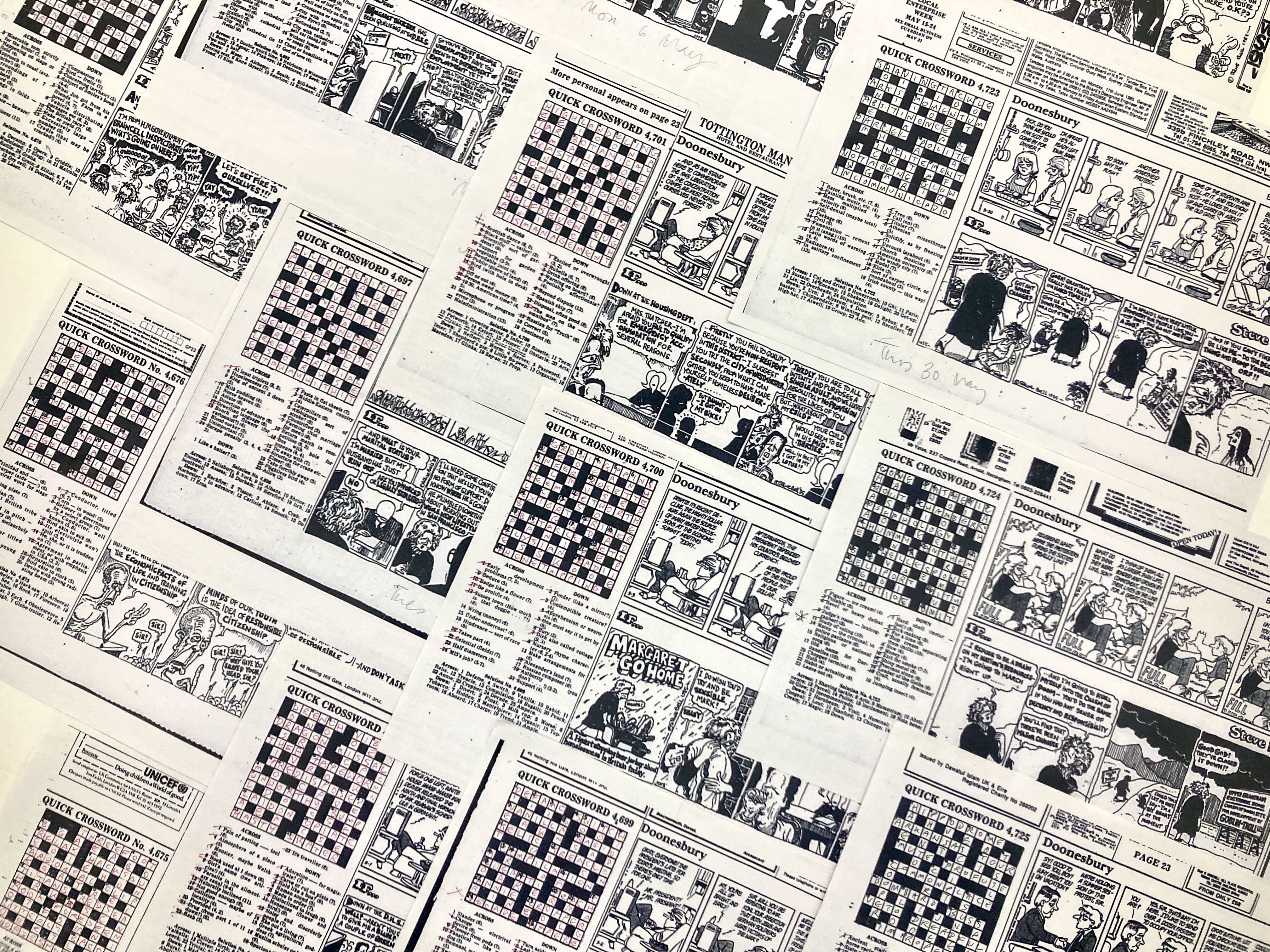
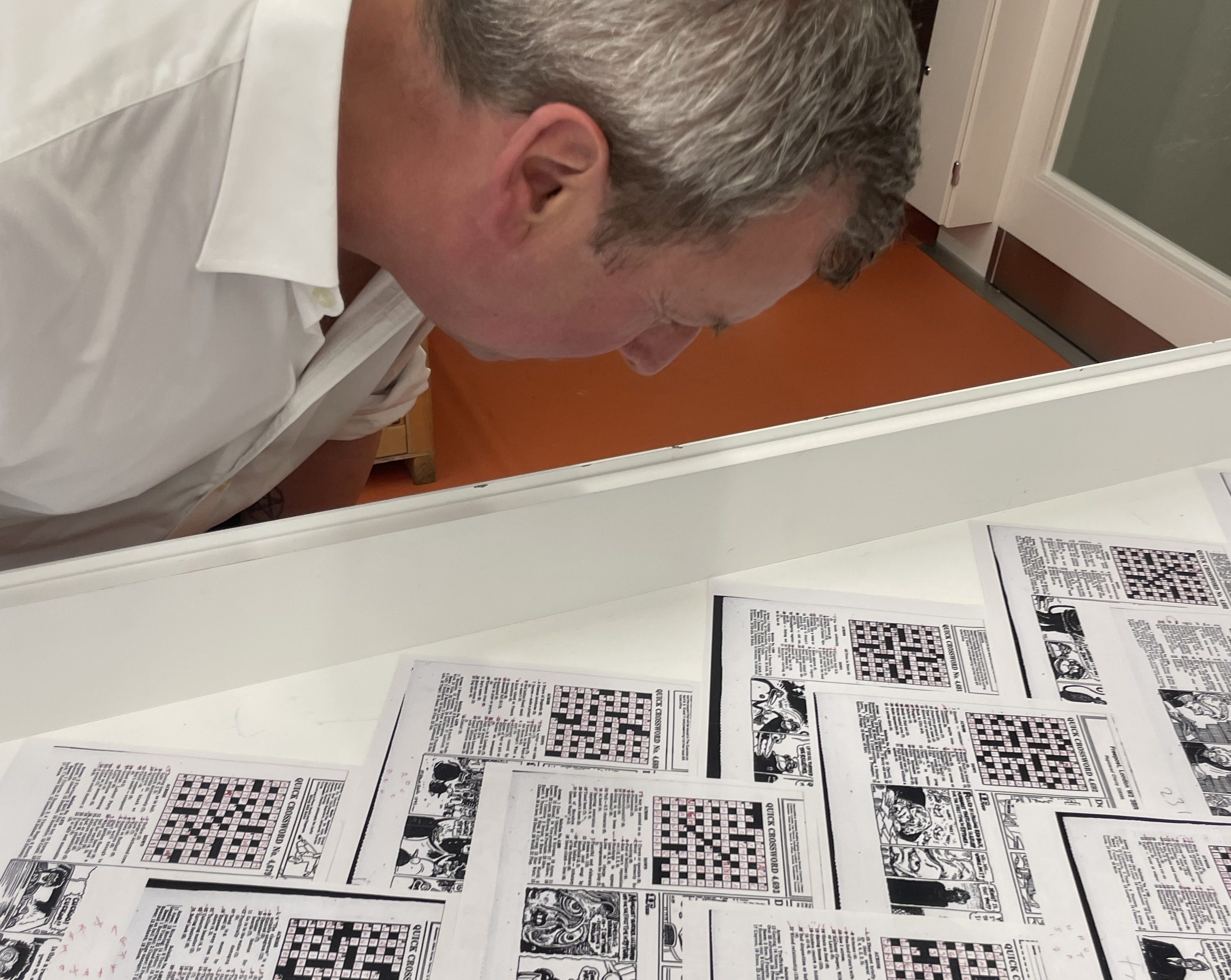
Phantom at the Feast is the follow-up to White’s acclaimed 2018 novel The Fountain in the Forest. The display includes a series of completed Guardian ‘Quick Crosswords’ (Nos. 4,675–4,725) originally published in 1985, that White first completed daily as a young man in Leeds, then redid en masse thirty years later in order to use the solutions as an Oulipo-inspired lexical constraint – a ‘mandated vocabulary’ – in the writing of the novel. For Matt’s Gallery, all 51 completed crosswords used in the writing of Phantom at the Feast (Guardian days only, so no Sundays or Bank Holidays) are arranged in chronological order in a single vitrine, surrounded by their fascinating ‘bycatch’ of small ads, cartoons and random back-page content captured when printing A4 screengrabs from the British Library’s microfiche readers. As Sukhdev Sandhu writes in his Guardian review of The Fountain in the Forest, the crossword solutions ‘emerge as the collective lexical unconscious of the period.’
A second vitrine in the display contains an array of colour-coded chapter plans, timelines, diagrams, WRDKY breakdowns (‘What Rex Doesn’t Know Yet’), Post-it notes, and ephemera that went into the five-year writing of Phantom at the Feast; offering a rare insight into the process of writing what is of course a further puzzle: a police-procedural murder-mystery and whodunnit. Phantom at the Feast marks the return of White’s complex and compelling London cop Detective Sergeant Rex King of Holborn Police Station, with White once again combining police procedural and detective mystery genres with UK social history and literary games.
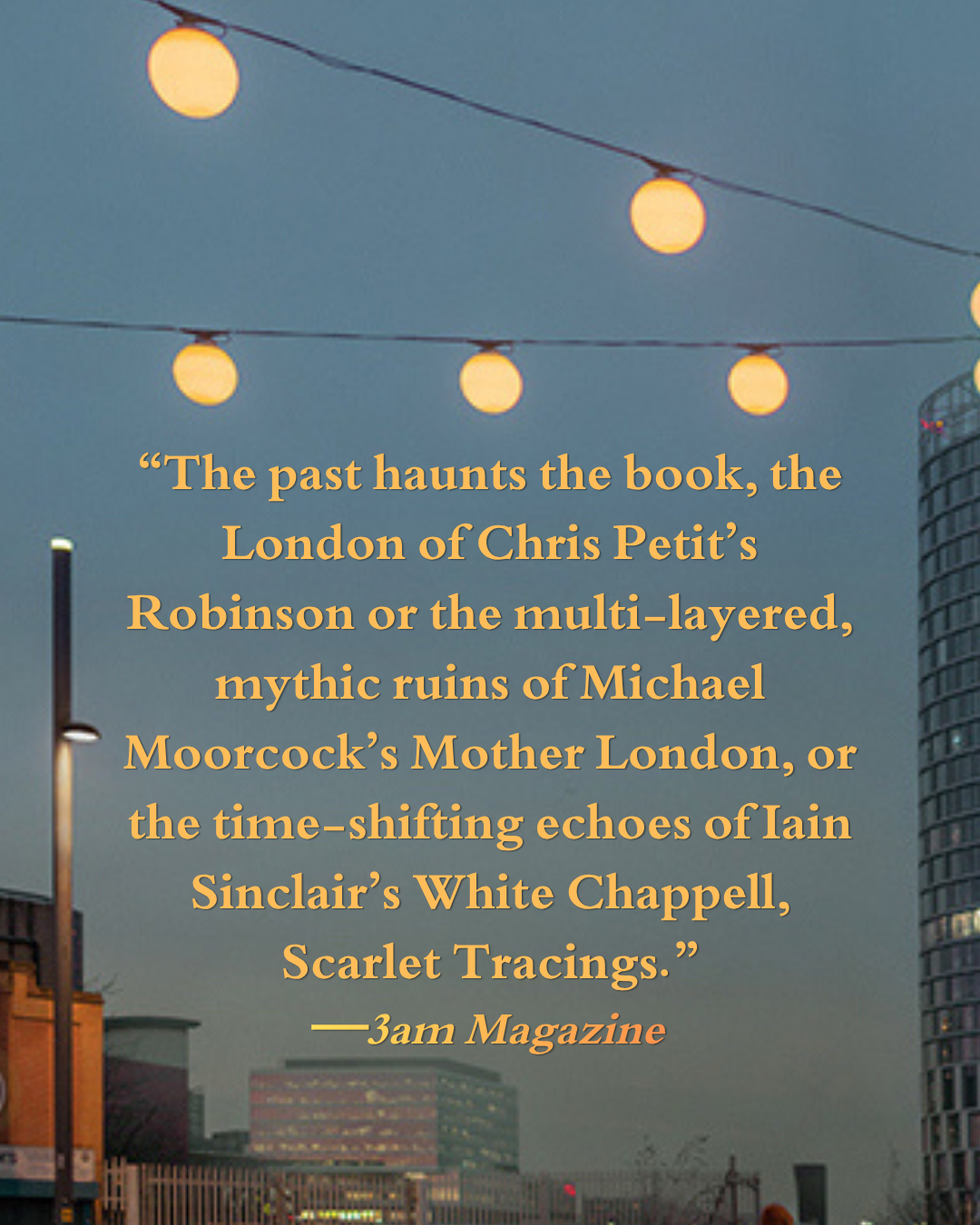
We’re all thrilled to have had an early review for Phantom at the Feast in 3am Magazine
This is not your average thriller, this is your exceptional experimental crime novel. For Tony White to write a sequel to The Fountain in the Forest, to merge the avant-garde with the whodunnit . . . is to rub out much of what has gone before in crime fiction . . . Phantom at the Feast – like London – is built on top of its own ghosts . . . Like all great crime novels, the truth is not a revelation, it is a gradual calcification of options and the sovereignty of facticity . . . Phantom at the Feast is a site of resistance combatting the dystopian horizon of the AI literary industry . . . Against this algorithmic flattening, the novel – and this novel in particular – stands as a site of stubborn, human friction. —Steve Finbow, 3am Magazine
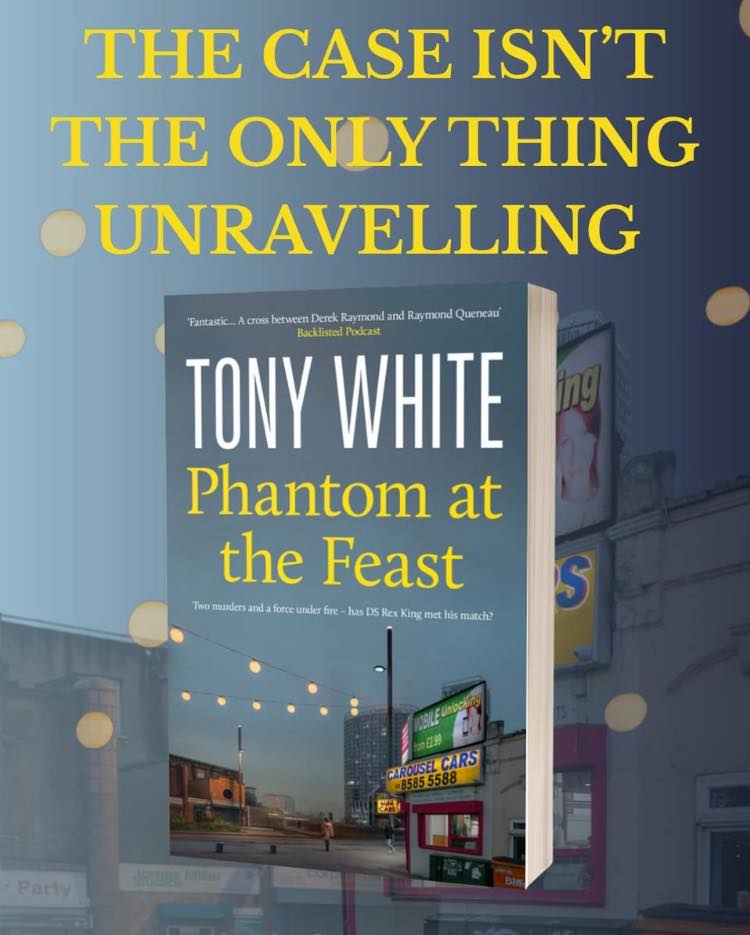
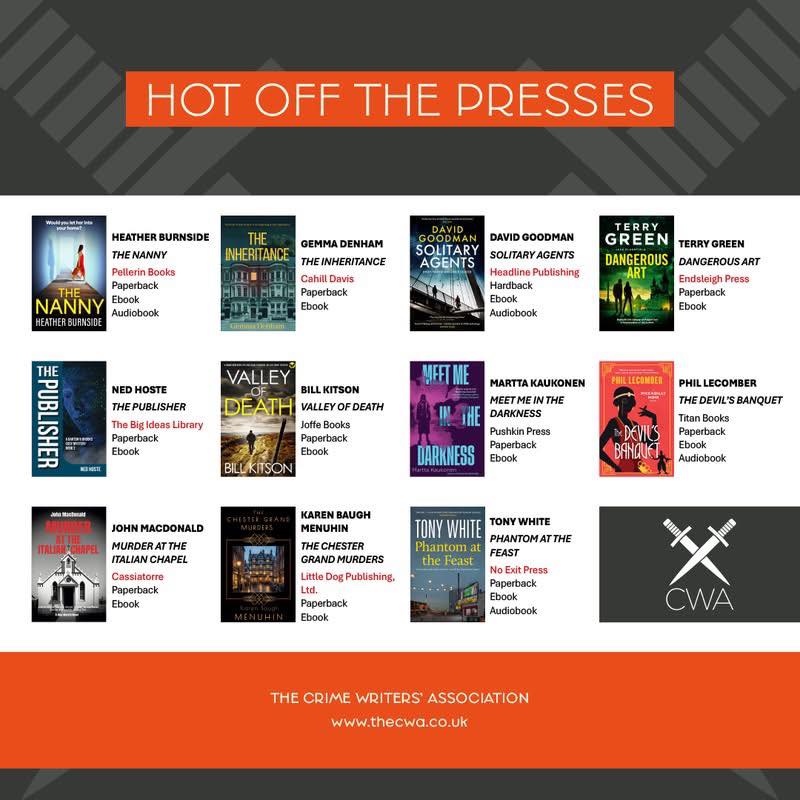
My new novel Phantom at the Feast – the follow-up to The Fountain in the Forest – is published by No Exit Press on 18 June.
Here are some quotes from early readers:
‘I’m reading an advance copy right now and (no spoilers) it’s every bit as good as The Fountain in the Forest. DS Rex King of the Holborn Homicide and Serious Crime Command is at the top of his game, and so is the author. An Oulipian page-turner, and how many of those are there?’ — David Collard
‘Line of Duty meets Our Friends in the North in what reads like a collaboration between Georges Perec and Ed McBain. A fiendishly fun crime story.’ — Matt Thorne
‘Tony White always manages to find the sweet spot between stylistic innovation and genuine entertainment. Phantom at the Feast is no exception – I really REALLY enjoyed it.’ — Susan Finlay
My latest police-procedural murder mystery Phantom at the Feast (No Exit Press) marks the return of Detective Sergeant Rex King of Holborn Police Station in Central London. If you read the first novel in this series, The Fountain in the Forest, you will know that DS King is far from perfect. But go to any of the UK’s growing number of crime-fiction festivals and you’ll hear a frequent cry from writers of contemporary crime and thriller novels that, ‘It’s not Dixon of Dock Green out there anymore!’ CWA Diamond Dagger-winner Mark Billingham said something similar at London’s inaugural Bloody Barnes festival back in February. The reference is probably mystifying to anyone under the age of 60: the popular BBC police drama hasn’t been [READ MORE…]
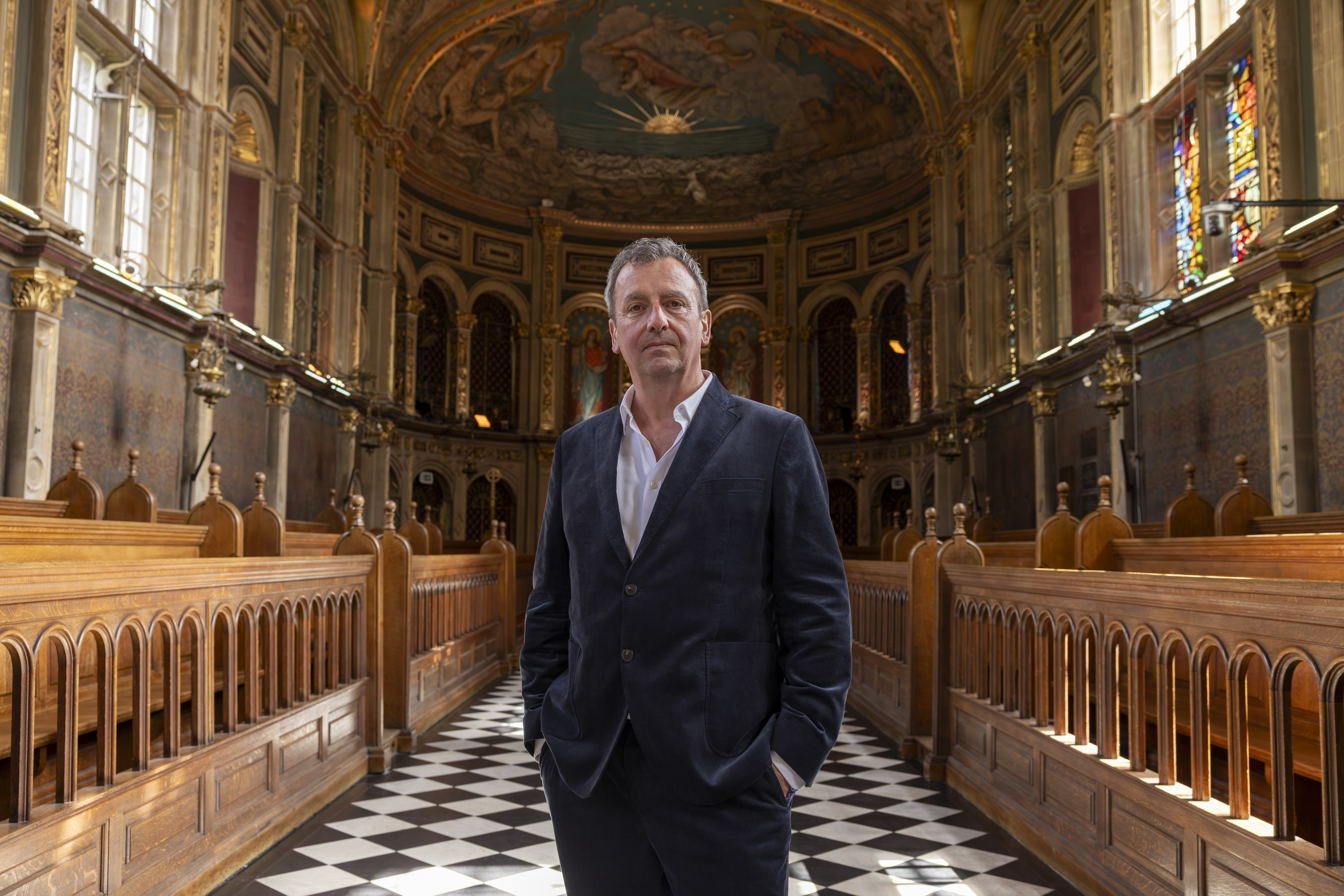
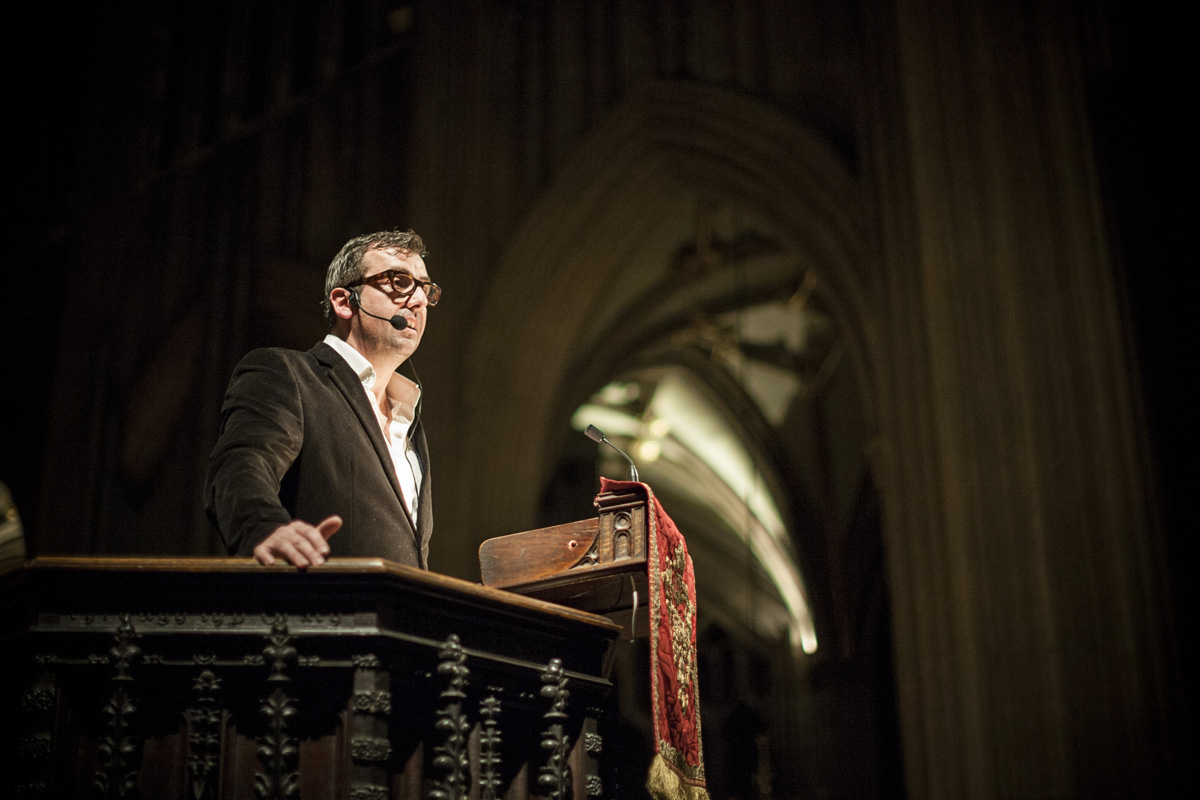
Great fun last week filming around Royal Holloway University of London for the Royal Literary Fund — which also produced some lovely photos by Fernando Manoso, including this one in the beautiful chapel in the RHUL Founders Building.
Just received the first finished copy of Phantom at the Feast, which seemed a good reason to make a little TikTok video to share to all my socials…
ZOMG! first sight of a finished copy of Phantom at the Feast, published 18 June by No Exit Press. The return of London cop DS Rex King… I hope you enjoy it!🫡🙏✊@bedsqpublishers.bsky.social — (Check out the cover image from London photographer Chris Dorley-Brown!)#writinglife #books #detectivenovels
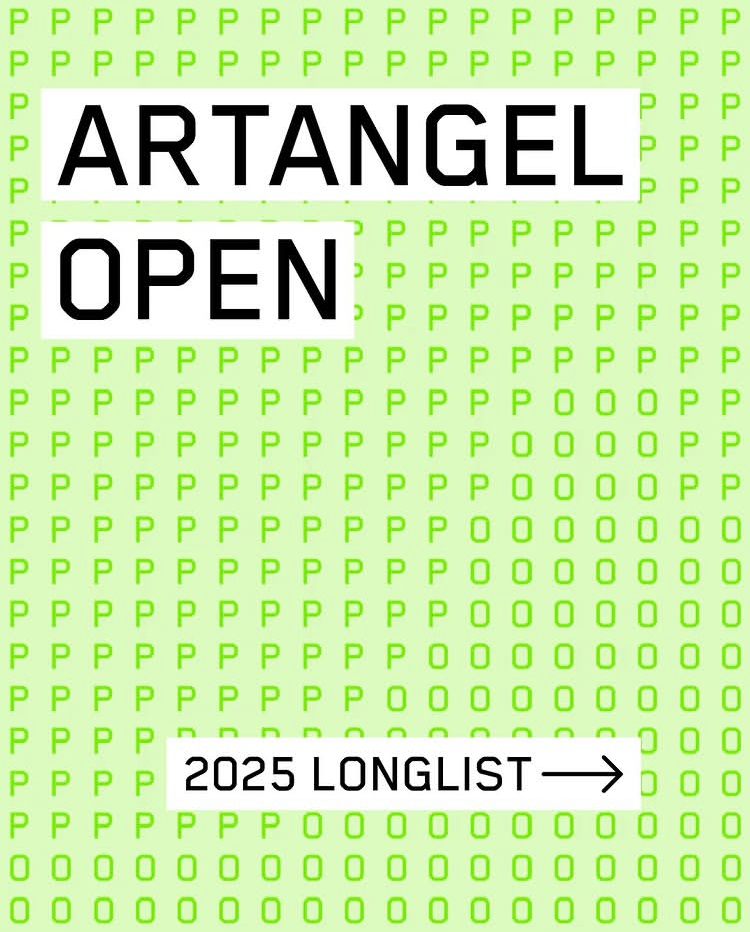
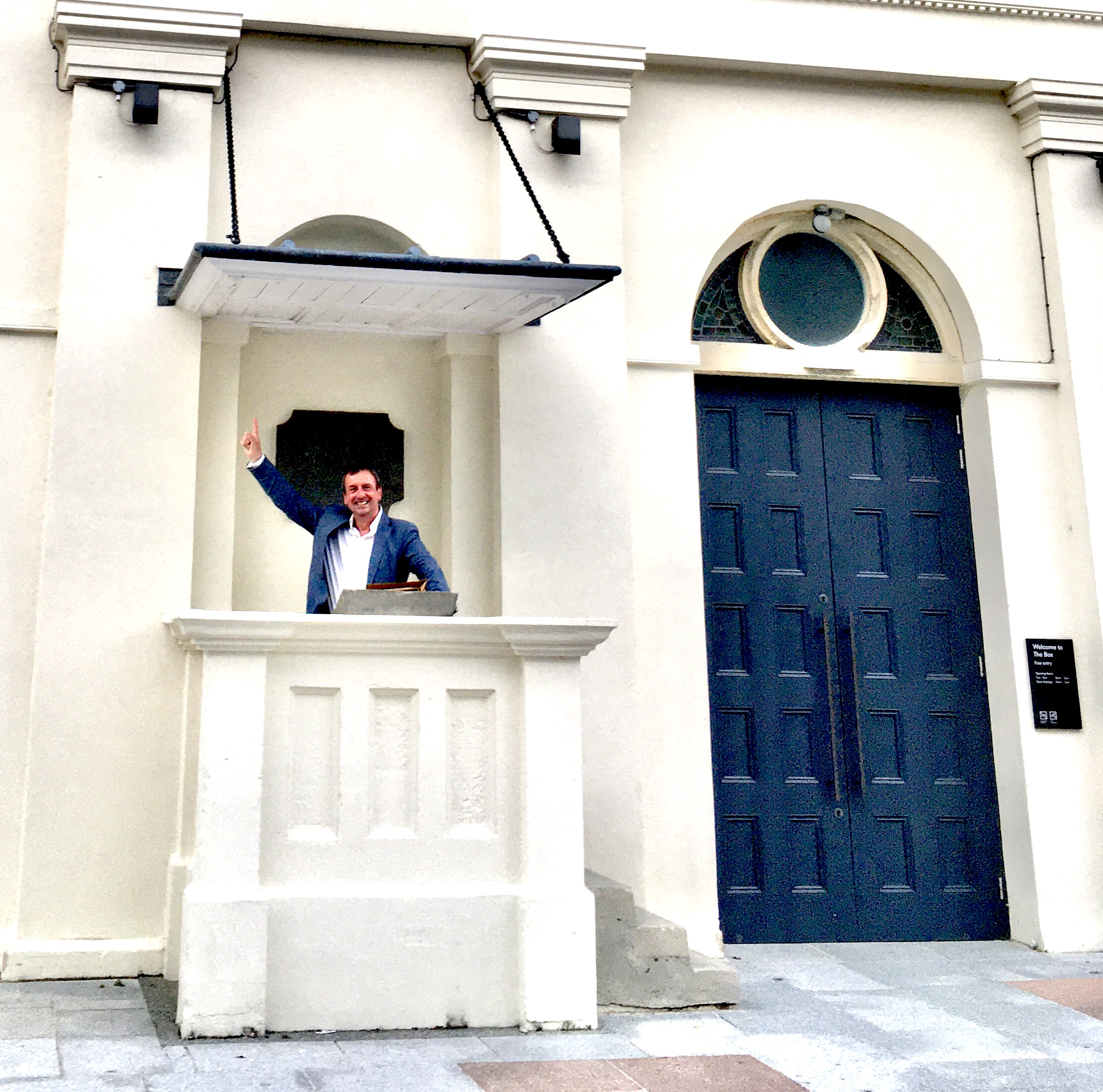
I am thrilled to have at least been longlisted for the 2025 Artangel Open, one of the most prestigious and ambitious public art commissions in the world. My proposal was inspired by the outdoor pulpit attached to St Luke’s church in Plymouth (part of the The Box museum and art gallery) which I saw for the first time while visiting my friend the artist George Shaw’s exhibition there in 2022, and which reminded me of similar but disused or semi-derelict outdoor pulpits that I know of in London and elsewhere.
Here’s the Artangel info and judging panel:
The 2025 Artangel Open invited artists based anywhere in the world to submit ambitious ideas. We received over 1,000 submissions from 80 countries, conveying the breadth of what artists are thinking about across the world. The panel for the 2025 Open included artist Zineb Sedira; musician, producer and composer Nitin Sawhney CBE; Artistic Director and co-Chief Executive of Dance Umbrella Freddie Opoku-Addaie; previously-commissioned Artangel Open artist Andrea Luka Zimmerman; and director of Artangel Mariam Zulfiqar. Read more about each of the panelists at the bottom of this page.
If it is of interest, here (with two minor updates) is my application.
Summarise your idea. *
Your response to this question can be up to 350 characters long, which is approximately 100 words.
Discovering Britain’s disused outdoor pulpits and bringing them back to life (with local partners and a national campaign) for a country-wide programme of local outdoor spoken-word events, developing writers networks, local history and opportunities via an overlooked outdoor performance infrastructure that is hiding in plain sight.
0/350
More about your proposal *
Your response to this question can be up to 1500 characters long, which is approximately 400 words.
Inspired by an open-air pulpit at St Luke’s church, Plymouth (seen while visiting George Shaw exhibition, 2022), I have identified an unmapped network of disused open-air pulpits around the UK. These could become sites for new kinds of public spoken word events involving local writers groups and literary organisations. I have so far identified fourteen open-air pulpits mainly on church sites. These include, in London: Holy trinity church, Marylebone Road; St James’s, Piccadilly; St Augustine’s, South Kensington; Christchurch, Brixton; St Paul’s Cathedral. In the SE: St. George Church, Brentwood, Essex; St John’s Church, Reading; St Nicholas Church, Cranleigh. In the SW: St Lukes, Plymouth. In the Midlands: St. Martin’s, Birmingham; the old Pulpit, Cathedral Church of St Michael Coventry; the ‘Refectory Pulpit’ Shrewsbury Abbey; Cucklet Delf, Eyam. In the North: St Stephen’s, Tockholes, Lancs. Wales: St Tudno’s, Great Orme; the Pulpit Yew, Nantglyn. In Scotland: the Pulpit Rock, Ardlui, Loch Lomond and Trossachs National Park. This is important to me because I have been performing spoken-word prose works since the late 1980s. Reading my prose to live audiences was my path to getting published and becoming a novelist, and may be for others. This would entail R&D/location work, site-visits, media campaigns, work with site-owners, libraries, literature-development organisations, museums, local history groups etc.to re-animate these historic sites for new spoken word events.0/1500
Your response to this question can be up to 1500 characters long, which is approximately 400 words.
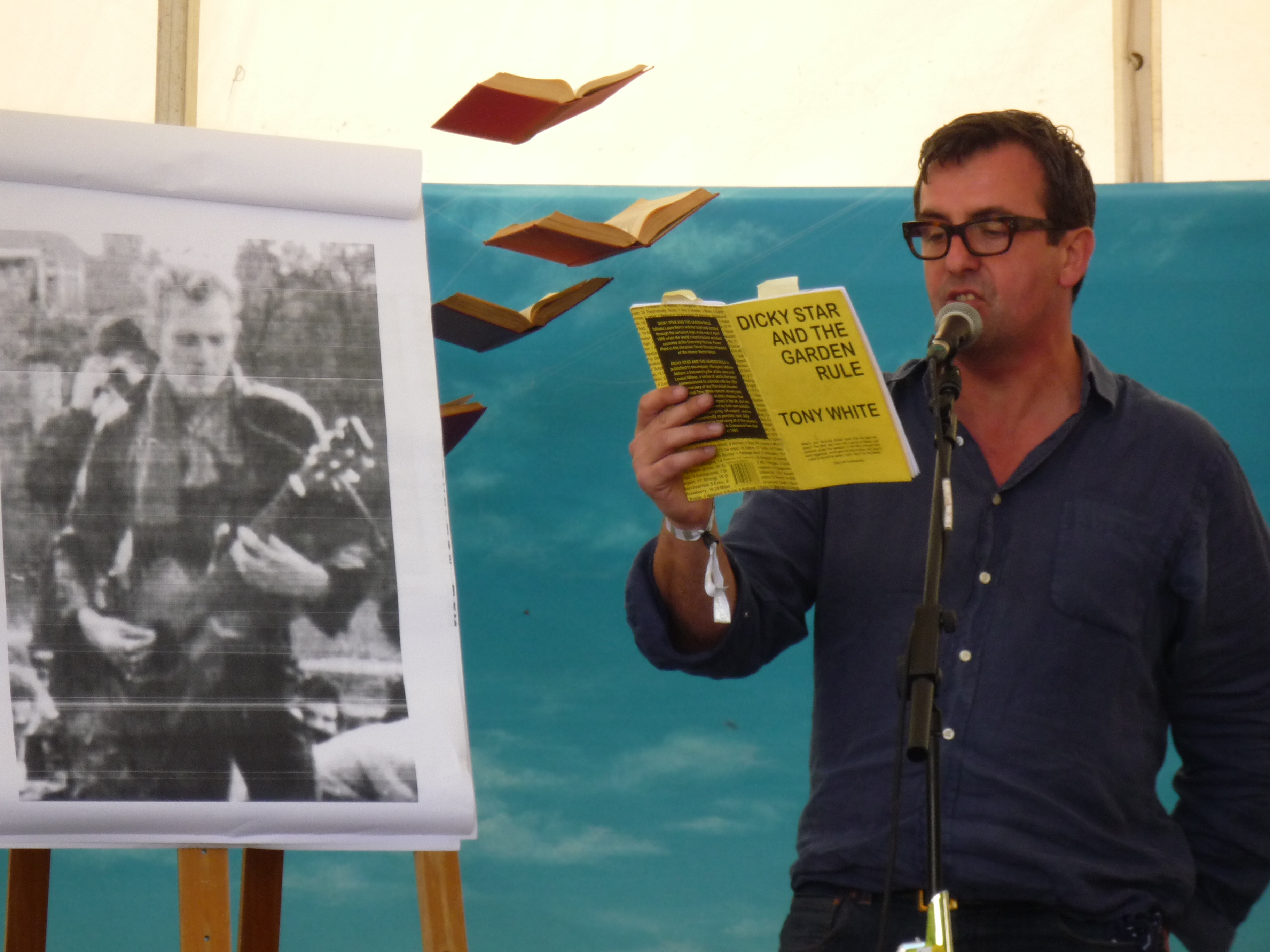
I’m the author of novels incl. The Fountain in the Forest (Faber and Faber, 2018), and Foxy-T (Faber and Faber, 2003). My next novel Phantom at the Feast is out in [June 2026]. I’m currently the RLF Fellow at Royal Holloway University of London. I am editor/publisher of the artists’ book series Piece of Paper Press, founded in 1994, recently exhibited at Matt’s Gallery, London. I present the occasional radio programme Literature Live on Resonance FM. I’ve delivered major projects for the Science Museum’s Atmosphere Commission 2013, with Blast Theory for Channel 4, and Situations in Bristol & have professional contacts in libraries, festivals, NPOs uk-wide. My 2012 novella Dicky Star and the Garden Rule, was published by Forma alongside a touring exhibition by Jane and Louise Wilson for the Chernobyl 25th anniversary. I worked for Arts Council England 1997–2007, & chaired the board of London arts radio station Resonance 104.4fm 2010–2018. I’ve been writer in residence at the Science Museum, UCL, and the city of Split, Croatia among others, and am associate lecturer on the Creative Writing MA at Birkbeck. I’ve performed spoken word since the late ’80s and given hundreds of readings from my novels and short stories in bookshops, libraries, literature and music festivals including Glastonbury, museums, galleries, pubs and nightclubs all over the UK and internationally. These skills can be shared, & make me confident we could deliver a great large-scale local project.
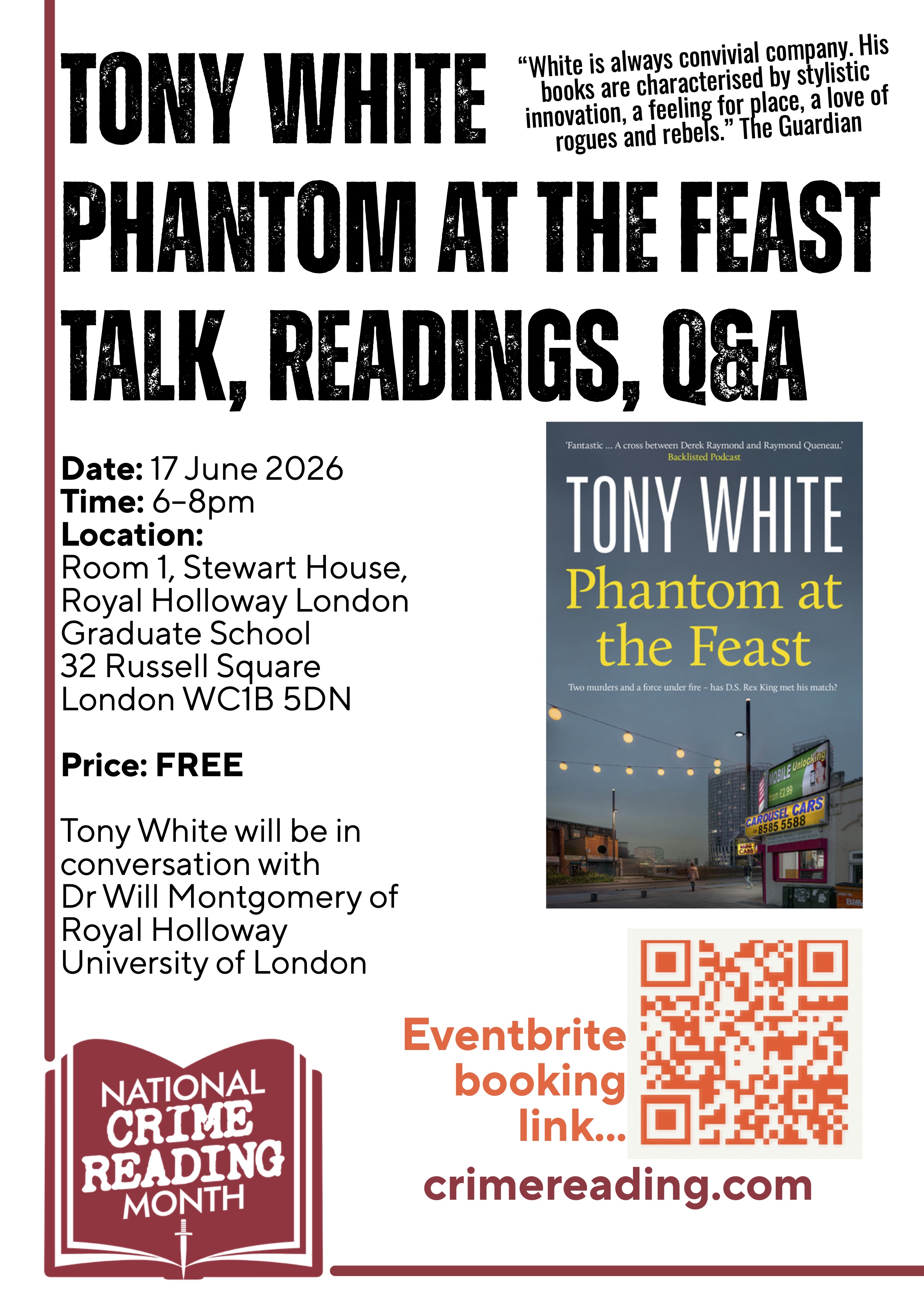
An event to celebrate the publication of Tony White’s new novel, Phantom at the Feast. All welcome. BOOKING ESSENTIAL
Join us for readings from and discussion about Tony White’s seventh novel Phantom at the Feast (No Exit Press). Tony will be in conversation with Dr Will Montgomery of Royal Holloway University of London, and there will be time for a Q&A.
Police stations are outdated and AIs make more efficient detectives, or so says a UK Home Office determined to make cuts. When the sole witness in a trafficking case is discovered brutally murdered, a brass horseshoe forced between his teeth, DS King is summoned back to London and into a labyrinth of memory, music, and political unrest.
This is the first public event for Tony White’s latest novel Phantom at the Feast, published by No Exit Press on 18 June 2026. Phantom at the Feast is the follow up to Tony White’s critically acclaimed The Fountain in the Forest (2018) which will be reissued by No Exit Press in December 2026.
Dicky Star and the Garden Rule was commissioned to mark the then twenty-fifth anniversary of the Chernobyl disaster, and was published in the form of an A5 chapbook alongside a touring exhibition by the artists Jane and Louise Wilson.
The novella is out of print currently, but an ebook edition is available on request.
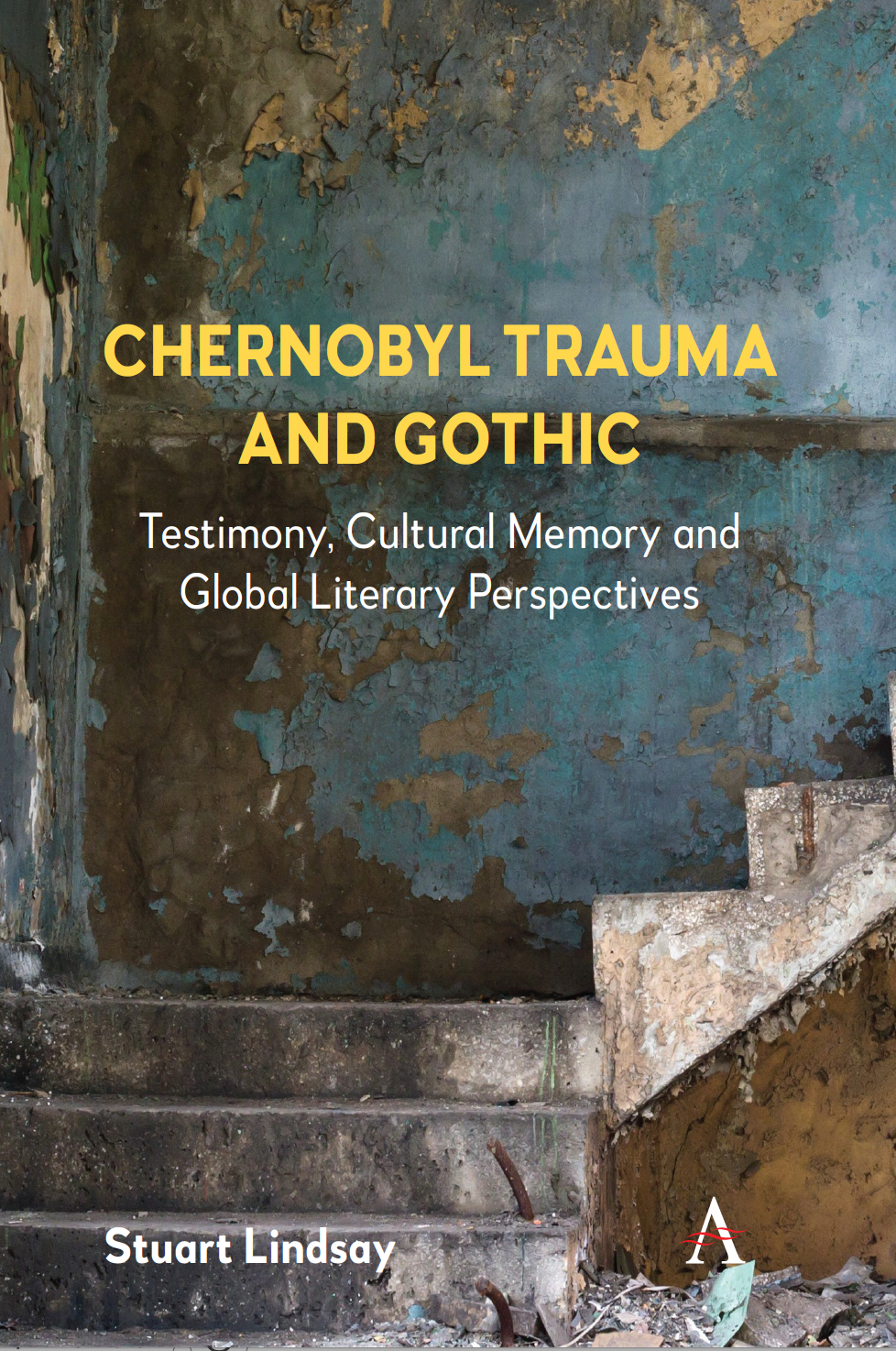
Tony White’s novella, Dicky Star and the Garden Rule, published to coincide with the photograph exhibition Atomgrad: Nature Abhors a Vacuum (2011) by Jane and Louise Wilson, is set in the UK city of Leeds in the days following the Chernobyl reactor explosion on 26 April 1986. In the story, Jeremy, a chronically depressed and unemployed artist, draws associations between a photograph of the destroyed reactor published in the Guardian newspaper and the narrative of a Fantasy novel by Michael Moorcock, The Warhound and the World’s Pain (1981) . . . Chernobyl proliferates and evades Jeremy’s representative memory, acting as indicator of the real object’s withdrawn properties and its sensual horror affect in the frantic, Gothic intertextuality woven by White’s novella…
I love that: ‘frantic, Gothic intertextuality’!
Here’s the blurb:
A textually rich, historically informed and theoretically sophisticated account of the Chernobyl crisis, its cultural antecedents and its aftermath in global culture. This scholarly monograph explores the published eyewitness testimonies, poetry and literature surrounding the 1986 Chernobyl nuclear disaster. It argues for the contextualisation of the disaster’s collective traumatic wound and its Soviet political repression through public articulation of survivor experience and its interpretation by the trauma narratives of Science Fiction and the Gothic.




You must be logged in to post a comment.