This evening I shall be talking about, and reading from, my novella Dicky Star and the Garden Rule, for the University of Essex’s ‘Writers at Essex’ programme. Here is their flyer. All welcome.

This evening I shall be talking about, and reading from, my novella Dicky Star and the Garden Rule, for the University of Essex’s ‘Writers at Essex’ programme. Here is their flyer. All welcome.
 Joan Armatrading, Whatever’s for Us, (Remastered edition with bonus tracks), Metro Records, 2001.
Junior Byles, ‘A Place Called Africa,’ on Various Artists, Creation Rockers Volume 3, Trojan Records, 1979.
Elvis Costello, ‘Oliver’s Army,’ from Armed Forces, Radar, 1979.
Jimmy Cliff, ‘You Can Get it if You Really Want,’ from The Harder They Come (Remastered Soundtrack), Universal/Island, 2001.
William DeVaughn, ‘Be Thankful for What You’ve Got,’ from Be Thankful for What You’ve Got, Collectables/Gotham Golden Classics Edition, 1993.
Alan Ginsberg, ‘Father Death Blues,’ on Holy Soul Jelly Roll – Vol. 4: Ashes & Blues, Rhino World Beat, 1994.
The Gladiators, ‘Write to Me,’ from Naturality, Virgin Frontline, 1979.
Morrissey, ‘The Father Who Must Be Killed,’ from Ringleader of the Tormentors, Sanctuary, 2006.
Pam Nestor, ‘Hiding and Seeking,’ 12-inch single, Chrysalis Records, 1979.
Slim Smith, ‘Just a Dream,’ from Just a Dream, Trojan Records, 1972.
The Smiths, ‘Cemetery Gates,’ from The Queen is Dead, Rough Trade, 1986.
U-Roy, ‘Natty Rebel,’ from Natty Rebel: Extra Version, Frontline, 2004.
§
Missorts Volume II, by Tony White (Situations, £0.00)
Download the FREE ebook from 20 November at www.missorts.com
Missorts launch: Featuring live readings from Missorts Volume II, and an exclusive performance of the remixed soundwork by Beaty Heart. St Mary Redcliffe, Bristol, Tuesday 20 November 2012, 6.30pm — 8pm. RSVP to info@situations.org.uk
Missorts is produced by Situations for Bristol Legible City and funded by Bristol City Council.
 Missorts, my permanent public artwork app for Bristol, which launches on 20 November with an event at St Mary Redcliffe, includes beautifully performed audio of ten new and interconnected short stories by writers Sara Bowler, Holly Corfield-Carr, Thomas Darby, Jack Ewing, Katrina Plumb, Jess Rotas, Hannah Still, Helen Thornhill, Isabel de Vasconcellos and Sacha Waldron. The stories, which are voiced on the app by Bryony Hannah and Benjamin O’Mahony, were produced during the series of free writing workshops that I held in partnership with Bristol Record Office during June 2012. (I also held a further session for A-level English students from St Mary Redcliffe and Temple School.) I had expected the main, open-call workshops to attract writers from the Bristol area, which they did, but in the event writers also came from as far afield as Nottingham, London, Devon and Cornwall.
In the workshops, the writers used the cut-up technique to create completely new works of fiction from a small number of source texts relating to Bristol’s radical literary history. These included the Middle English allegorical narrative poem Piers Plowman (a text that is associated with the dissenting tradition and the Lollard movement, a political and theological heresy that closed down Redcliffe’s St. John the Baptist Hospital in the fifteenth century), and an out of copyright nineteenth century melodrama that features among other characters a fancifully fictionalised young Thomas Chatterton.
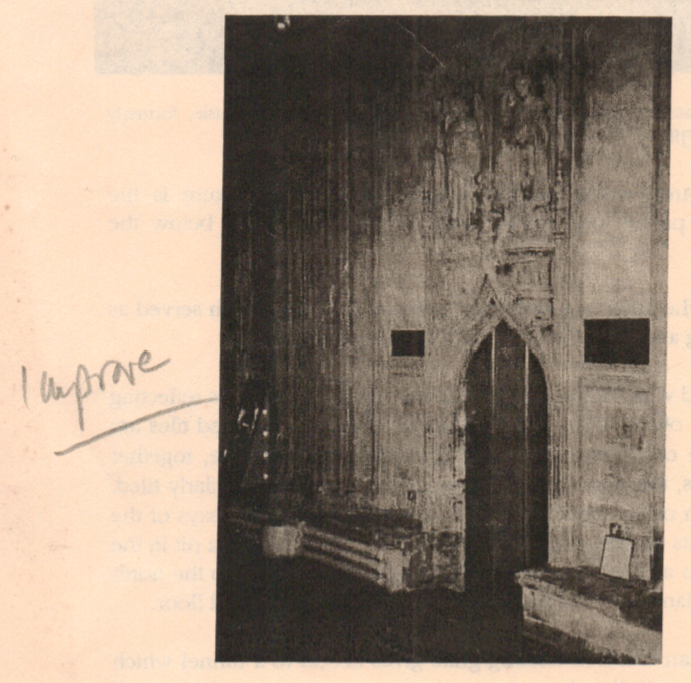 Best of all, while being shown up the narrow stone staircase leading to the celebrated Muniments Room at St Mary Redcliffe – an octagonal stone room high above the church’s north porch within which stood the great chest in which the real young Chatterton discovered the ancient manuscripts that were to provide both inspiration and medium for his astonishing Rowley poems – I was shown into a dusty and little-used room known as the Easter Vestry. Boasting an impressive medieval latrine, and full of all kinds of ancient nick-nacks, the room also contained a plain but relatively modern desk, of the kind that one might buy for £40 in a second-hand office furnishing store. In the desk drawer I found a few leaves of cream A4 paper: page proofs, as it turned out, from an architectural gazeteer by Dr Warwick Rodwell that forms part of the St Mary Redcliffe Conservation Plan (Salisbury: Michael Drury Architects. 2004). The fragments of text I found in the Easter Vestry desk drawer are descriptions of architectural features. These are proofs, although the only mark-ups relate to a small number of photos of piers and vault bosses in the undercroft (‘Re do?’), and a door in the north chancel aisle (‘Improve’). Allowed by the church to keep my prize, these few pages became more raw materials for the cut-up process.
 Meeting the writers for a follow-up session, something interesting seemed to be happening as those first cut-ups got folded back into the writers’ own practice. By now the core group of writers who gathered in an upper room overlooking Chatterton’s house were all women. (Of the two men in the final collection, Thomas Darby lives in Nottingham so continued his participation remotely, while Jack Ewing’s story came from the A-level group.) I was pleased that a lot of the writing had retained that certain, characteristic, syntactical jaggedness engendered by the cut-up process, while the architectural detail from the Easter Vestry gazeteer gave a unity of texture to the stories, providing a series of what felt – as they emerged – like particularly Bristolian props: bricked up doorways, displaced marble floors, stone steps, tidal flows. Stage sets for choreographies of cyclists and wheelie-cases. Some of the stories too had an almost psychedelic vibe, particularly Jess Rotas’ bossy, talking seagull, Katrina Plumb’s dandyish doggerel of hatters doing battle with barbers, and Holly Corfield-Carr’s sleeping giantess.
 I was reading Ann Quinn’s novel Tripticks, and had brought it along to the workshops as a kind of totem. It provided a timely call to arms, a reminder not to over-polish, to try to harness the energy that the cut-up technique produces: ‘a new surge for tired old idiom the seedbed of a psychic revolution,’ as Quinn herself writes on p.43. Tripticks is an exuberant, stylistically diverse, punky-but-pre-punk road trip novel, full of lists and forensic reworkings of found texts, all unified by Carol Annand’s graphic illustrations. Narrative effects created by the substitution of proper names.
 ‘Something sim’lar’ — to quote Katrina Plumb — was happening in the stories emerging through the Missorts workshops. So, the characters in Sara Bowler’s rough-hewn story of a mourning mediæval stone mason have the same names as those in Helen Thornhill’s adroit and touching office lunch hour reverie, who have the same names as the characters in Isabel de Vasconcellos’ vivid tale of a woman waiting for a reunion with her sister, who have the same names as Jess Rotas’s bossy baby seagull and his slightly dim bulb friend; ‘a good listener, but not everyone can be clever.’
The stories were also connecting in other ways, the sources of which were less easy to define. Through shifts both stylistic and temporal — ‘forward and backward in time,’ in the words of Hannah Still — Jack and Bet seem forever doomed either to be anticipating, experiencing or suffering the consequences of some defining moment of loss.
The ten stories that appear in the app are interconnected, but can be listened to in any order. They do not have titles as such (I still refer to them by the authors’ first names). Instead I selected a phrase from each, as one would choose pull-quotes when laying out a story in a magazine. A line that might make one want to read on, or which might be the fulcrum upon which a story was balanced. These pull-quotes-without-a-page-upon-which-to-sit had been part of an early vision for the piece that included using billboards in the vicinity of the app, an idea that was dropped for being both too ephemeral in relation to the expected life-span of the app, and potentially misleading in terms of where and what Missorts actually is: a soundwork.
But something else was happening, too. Taken together, these pull-quotes seemed to contain or to produce a strand of narrative DNA that was shared by all ten stories in the app. They form a microcosm, another kind of Gothic fragment, that might offer a way — as Jess Rotas puts it — to touch, ‘the blocked keyhole in the pattern to reveal things from a different standpoint.’
§
 Missorts by Tony White includes ten new and interconnected short stories by Sara Bowler, Holly Corfield-Carr, Thomas Darby, Jack Ewing, Katrina Plumb, Jess Rotas, Hannah Still, Helen Thornhill, Isabel de Vasconcellos and Sacha Waldron.
The Missorts app works on Apple iPhone iOS 5 & Android v2.2 and above only. Download the app free from 20 November 2012. Go to www.missorts.com for details. You will need a 3G, GPRS or WiFi a data connection.
Missorts was commissioned and produced by Situations for Bristol Legible City and funded by Bristol City Council.
Missorts launch: Featuring live readings, and an exclusive performance of the remixed soundwork by Beaty Heart. St Mary Redcliffe, Bristol, Tuesday 20 November 2012, 6.30pm — 8pm. RSVP to info@situations.org.uk
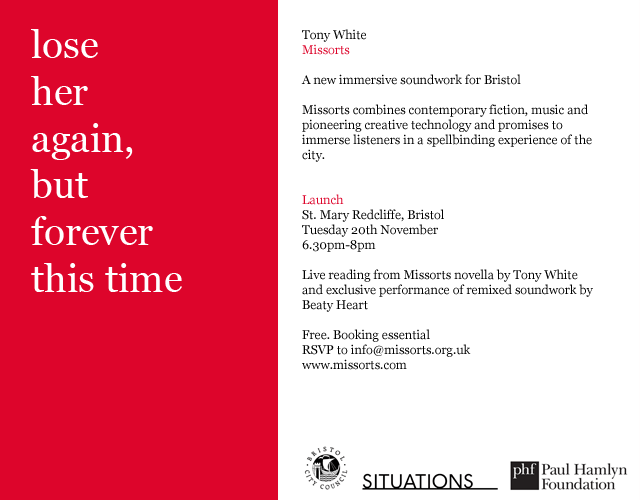
 Missorts is my new work, commissioned and produced by Situations, and it will be launched at St Mary Redcliffe, Bristol, on 20 November 2012, at 6.30 pm. Admission is free, but booking essential. RSVP to info@situations.org.uk
Here is the blurb:
A walk to work in Bristol might never seem the same again thanks to an innovative short story collection that moves beyond the conventional audiobook into the fabric of the city via your smartphone, combining contemporary fiction, music and pioneering creative technology.
Inspired by Bristol’s radical literary heritage, from Thomas Chatterton to Angela Carter, the soundwork features stories by ten distinctive new writers voiced by rising stars in the theatre world. Memorable characters weave through the stories; the contemporary urban setting is newly populated by scenes of lost love and by confessions whispered in your ear.
Missorts will be available as a free app for iPhone and Android smartphones. Stories and music are triggered by GPS and delivered directly to your headphones…
Conceived and directed by writer and novelist Tony White and commissioned by award-winning Bristol-based arts producers, Situations, the stories are accompanied by a striking new musical composition specially commissioned from composer Jamie Telford (former keyboard player to The Jam) for St Mary Redcliffe’s Harrison and Harrison organ in its centenary year.
Commissioned as part of the Bristol Legible City initiative, Missorts can be downloaded and accessed from 20th November 2012 from http://www.missorts.com
There is more to the project (enough I hope for the reader to get lost in for a while, including a new novella, Missorts Volume II, that is being published simultaneously), but the app itself includes ten new and interconnected short stories by Sara Bowler, Holly Corfield-Carr, Thomas Darby, Jack Ewing, Katrina Plumb, Jess Rotas, Hannah Still, Helen Thornhill, Isabel de Vasconcellos and Sacha Waldron. The stories were produced during a series of free writing workshops held at Bristol Record Office. There is so much to say about the writing process and the stories themselves — involving found manuscripts, cut-ups, a nod to the writer Ann Quinn — but I’ll talk about that in another post. There were follow-up sessions and test recordings, stories were edited and abridged and — with Jamie Telford’s music — went through many generations and iterations of testing, re-editing and testing again, in situ, before we cast and did the final vocal recordings with actors Bryony Hannah and Benjamin O’Mahoney.
Missorts is about the stories and the story being told — stories that will displace commentaries of this kind — so in many ways it is a traditional literary experience, albeit one that is inspired by some radical literary practice and by the area of Bristol in which it is experienced. Missorts is also being described as an immersive soundwork, but if that kind of language is unfamiliar to you don’t let it put you off. Other examples of this kind of storytelling, but using different technologies, include artist Janet Cardiff’s groundbreaking The Missing Voice (Case Study B) from 2001 (which was originally accessed via a portable CD player and headphones  that users obtained from the then Whitechapel Library in Aldgate), and Tales from the Bridge (2012) by Martyn Ware and David Bickerstaff, an atmospheric 3D sound work installed on the Millennium Bridge over the Thames at Tate Modern earlier this year. Tales from the Bridge comprised ‘an hour-long looping immersive ambient electronic musical composition’ by Ware, with a series of texts by the poet Mario Petrucci. Two great pieces of work, as anyone who experienced them will confirm. Martyn Ware even suggests in an interview with the Independent that,
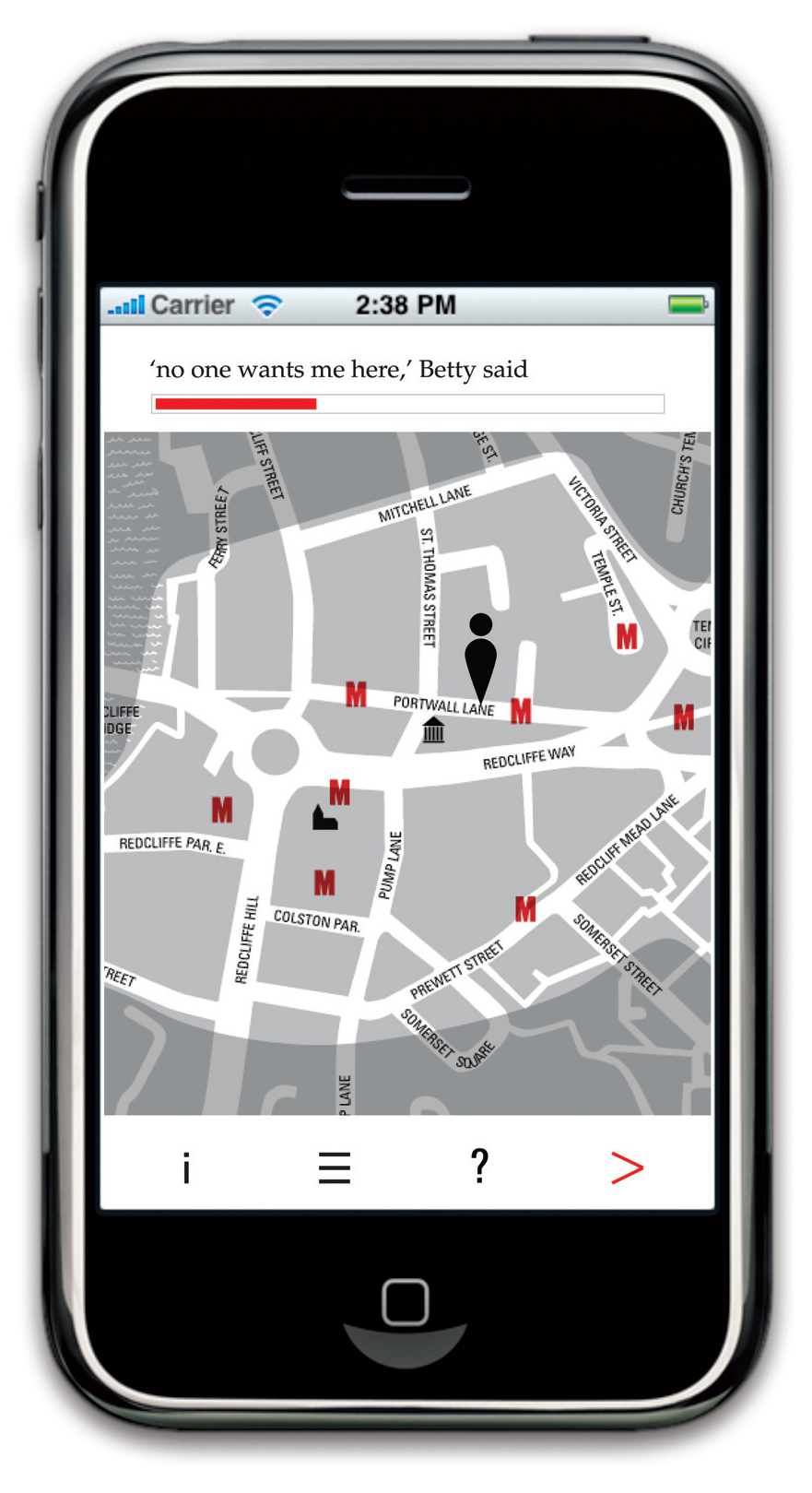
While Cardiff’s The Missing Voice required users to take the content to the area in which it was set, and Ware and Bickerstaff’s Tales from the Bridge was delivered via a 3D sound system that was physically installed on location, Missorts is an app that once loaded onto your phone uses GPS technology to trigger stories and music in more or less precisely defined locations across a specific area, with navigation and other supporting information available from a very simple, map-based interface. A crucial difference is that while Janet Cardiff and Martyn Ware present essentially linear narrative experiences — the duration of a CD, or transit across a bridge — Missorts goes further in allowing the listener or user (or perhaps the reader? the player?) to access stories and music in any order, to create their own version of the work and the story or stories at its heart as they walk around the streets of Redcliffe. I hope that the simplicity and directness of delivery will allow users to concentrate not just on the stories and the music, but also on where they are, their surroundings, and to create new ideas and connections between fiction and reality.
This year two very high profile local history apps have been published that use similar technology to Missorts. First was the Guardian newspaper’s Streetstories, then the National Trust’s Soho Stories, but as far as I’m aware this is the first time that the technology in its current advanced state has been used for a completely new fiction project.
It has been fantastic working with the writers, with composer Jamie Telford, with Situations and with Calvium our developer at Bristol’s amazing Pervasive Media Studio, and I can’t wait to launch Missorts to see what people think. I could talk about it for hours, and indeed have had to do so for much of the past year, but I am also mindful that, in the words of Thomas Chatterton, the 260th anniversary of whose birth is the reason for our launch taking place on 20 November: “The thynge yttself moste bee yttes owne defense.”
§
Missorts launch:
Featuring live readings, and an exclusive performance of the remixed soundwork by Beaty Heart.
Tuesday 20 November 2012
6.30pm — 8pm
RSVP to info@situations.org.uk
Preview groups:
Situations are inviting a small number of Bristol residents, specifically those who work in the Portwall or St. Mary Redcliffe area of the city, to join us in previewing Missorts between 1 – 6pm. Meeting point: St. Mary Redcliffe church.
§
More on Missorts shortly, including free MP3s of Jamie Telford’s amazing Portwall Preludes…
Artist Alan Phelan sent through these stills from the film ‘Include Me Out of the partisans manifesto’ that he has made of my short story ‘Include Me Out.’ Alan’s new film is on show at Limerick Gallery of Art until 22 November 2012. I hope there will be some other screenings after that. If you can’t get to Limerick you can watch ‘Include Me Out of the partisans manifesto’ here.
‘Include Me Out’ is a story (commissioned by the Irish Museum of Modern Art in Dublin) about Alan Phelan’s work, particularly a series of art works in various media entitled Fragile Absolutes, so it is more than apt that the story has now come full circle to become a part of Alan’s work, being incorporated into this same Fragile Absolutes series.
Eagle-eyed readers will know that Alan Phelan’s title Fragile Absolutes comes from Slavoj Žižek’s book The Fragile Absolute: Or, Why is the Christian Legacy Worth Fighting For? (Verso, 2009). Phelan used all of the italicized words in Žižek’s book as the basis of word association and other processes to create his new works. I then used that same stock of italicized words as a semi-mandated vocabulary to be used in the writing of my story.

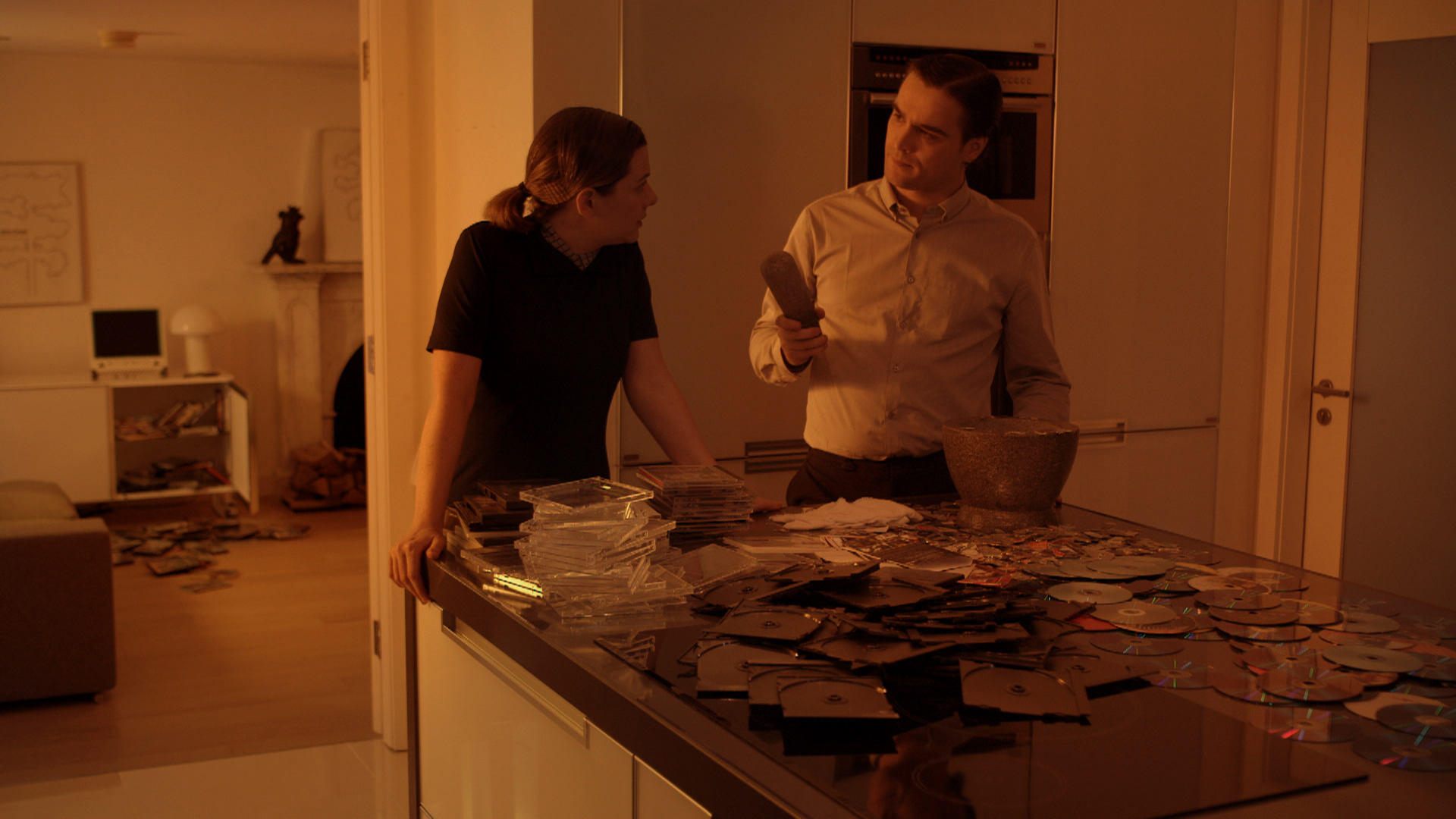
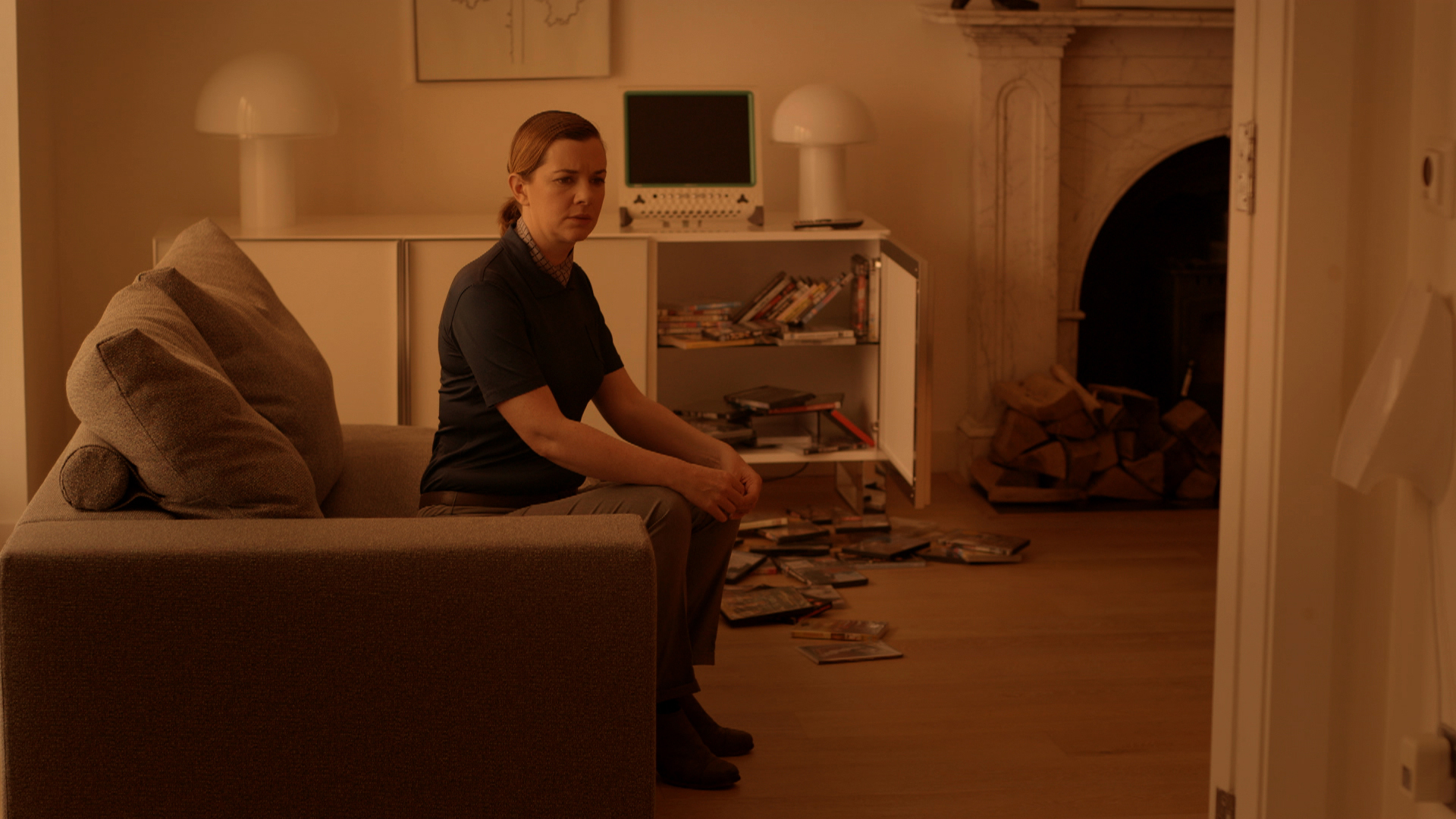
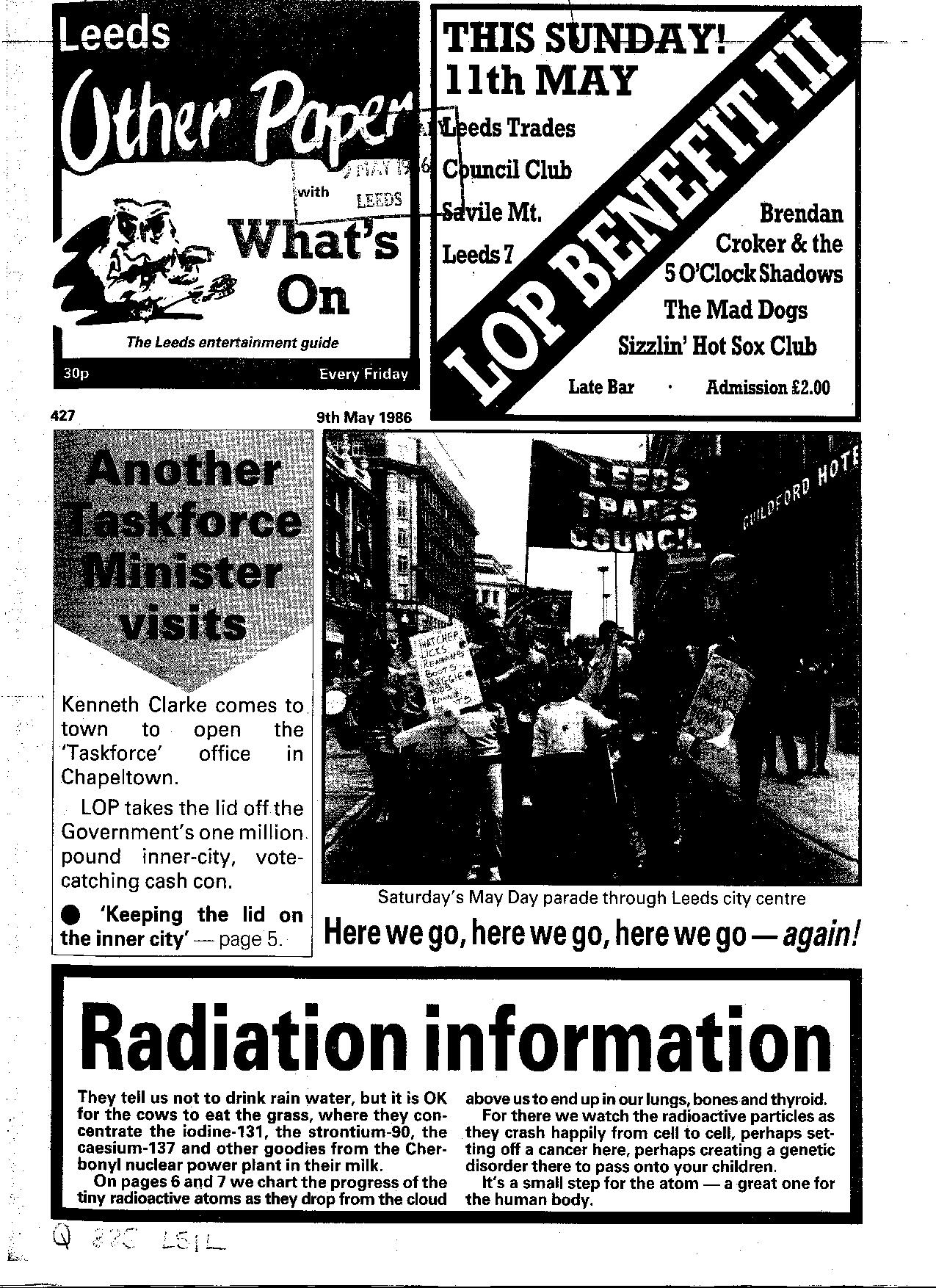 I’m reading from Dicky Star and the Garden Rule at Durham Book Festival at 11am on Saturday 27 October. As well as reading I’ll be talking to the Observer’s Peter Guttridge about The Clash busking tour, Leeds Other Paper, the real behaviour of radioactive clouds and Guardian Quick Crosswords…
Here is the blurb on Durham Book Festival site:
Saturday 27 October, 11am (1 hr)
Durham Town Hall (Burlison Gallery)
Market Place
Durham
DH1 3NJ
Tel: 0191 301 8494Booking info
Tickets: £6 / £4

I’ll be reading at the Final Academy night on Saturday 27 October, The Horse Hospital, London.
I’m very excited to see first glimpses of a short film that the artist Alan Phelan has made from my short story ‘Include Me Out,’ which itself is about Alan’s work, having been originally commissioned to accompany his brilliant shows at the Irish Museum of Modern Art (IMMA) in Dublin, and Chapter in Cardiff. The film premieres at Limerick City Gallery of Art on 11 October. Here is the eflyer.
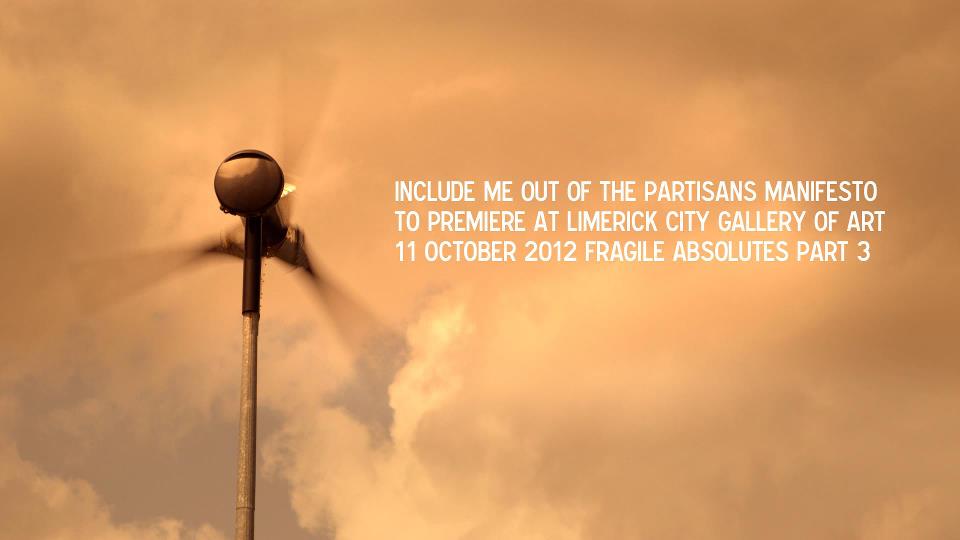
I’ll try and get hold of some stills and other information to share as soon as I can.
The original story is still available as a free ebook from James Bridle’s Artists’ eBooks site and on itunes. It is also available in print as part of the beautifully produced exhibition catalogue published by IMMA.
§
For regularly updated information about forthcoming gigs, launches and events see my Events page — currently listing events in Manchester, Durham, London, Bristol and more…

Thanks to photographer Chris Dorley Brown for the new press shot, which comes just in time for the autumn’s gigs and launches. I’ll be updating my events page shortly…
It was great to do these pics with Chris, of course. If you don’t know Chris Dorley Brown’s work you can see quite a lot online, including these great shots of London street corners.
In addition, Chris’s seminal 2007 DVD project BBC in the East End: 1958-1973 is still available for free loan at the Whitechapel Idea Store. If you haven’t seen it, I cannot recommend highly enough that you do. Here again is Michael Bracewell’s review in Frieze. However, I’m not sure if the free publication that Michael mentions — which was beautifully designed by Johnny Bull and which includes my short prose work ‘You Are Here: An Unlicense’ — is still available.

 Piece of Paper Press & tonywhite.london
You must be logged in to post a comment.